Mastering the Art of Nautical Design: A Guide to Compass and Spyglass Laser Cut Projects
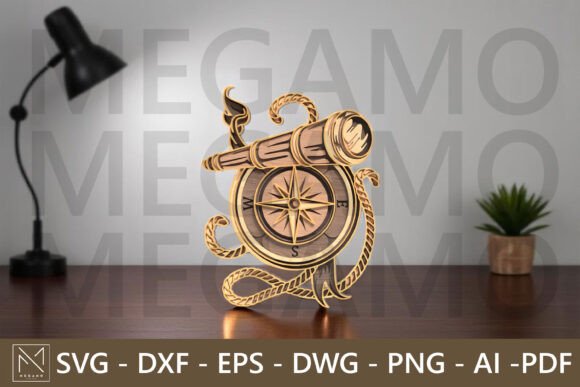
The allure of the ocean has captivated humanity for centuries, inspiring everything from grand maritime expeditions to cozy coastal home decor. In the realm of modern digital crafting, this fascination finds a new expression through intricate nautical design files. Among the most popular motifs are the vintage compass and the spyglass, symbols of exploration, navigation, and discovery. When combined into a single, layered composition wrapped in a realistic maritime rope, these elements create a stunning visual narrative perfect for ocean lovers and explorers at heart.
This article explores the significance of such designs, how they fit into contemporary creative workflows, and why mastering layered laser cutting can elevate your DIY projects from simple cutouts to professional-grade art pieces.
The Symbolism of Navigation in Modern Design
Before diving into the technical aspects of creating these designs, it is essential to understand their cultural weight. The compass and spyglass are not merely decorative objects; they are historical artifacts representing human curiosity and the drive to explore the unknown. In a modern context, these symbols resonate deeply with individuals who value adventure, travel, and the freedom of the open sea.
Why do these specific icons remain relevant? They serve as a bridge between the past and present. For boat owners, they represent the functional tools that once guided sailors across treacherous waters. For interior designers, they offer a sophisticated way to introduce a coastal theme without resorting to clichés like seashells or starfish. When you incorporate a vintage compass and spyglass design into your home or business, you are inviting a story of exploration into your space.
Layered Depth: The Key to Visual Impact
One of the defining characteristics of high-quality nautical decor is depth. Flat, two-dimensional cuts often lack the gravitas required to stand out on a wall or tabletop. This is where the concept of layered laser cutting becomes crucial. By designing a file that separates the compass face, the spyglass barrel, and the wrapping rope into distinct layers, creators can assemble a piece that possesses genuine three-dimensional character.
When these layers are stacked—perhaps using different wood tones or varying thicknesses—the result is a tactile experience. The rope wrapping around the instruments adds a textural element that mimics real-world materials, enhancing the realism of the piece. This technique transforms a simple SVG file into a gallery-worthy statement piece.
Understanding File Formats for Digital Crafting
A common hurdle for beginners entering the world of laser cutting and vinyl crafting is navigating the myriad of file formats available. To successfully bring a complex design like the Compass and Spyglass to life, one must understand the strengths and purposes of each format included in a comprehensive design package.
A robust design file set typically includes seven distinct formats: SVG, DXF, DWG, AI, PDF, PNG, and EPS. Each serves a unique role in the creation process:
- SVG (Scalable Vector Graphics): The industry standard for web and Cricut users. It maintains crisp edges at any size, making it ideal for both small tags and large signs.
- DXF (Drawing Exchange Format): Often preferred by laser cutter software like LightBurn or Glowforge Designer because it handles vector paths efficiently.
- DWG and AI (AutoCAD and Adobe Illustrator): These are professional-grade formats used by designers who need to edit the artwork before cutting. They allow for precise manipulation of anchor points and layers.
- PDF and EPS: Excellent for print quality and compatibility with older design software, ensuring that the file remains accessible regardless of the user's tech stack.
- PNG (Portable Network Graphics): While raster-based and not suitable for cutting, PNGs are vital for previewing the design, sharing on social media, or using as a reference during the assembly process.
Having access to all these formats ensures that whether you are using a consumer-grade machine or a professional industrial laser, you have the correct tool for the job.
Material Selection: Enhancing the 3D Effect
The choice of material plays a pivotal role in the final aesthetic of your project. While digital files provide the blueprint, the physical medium brings the vision to life. For nautical themes, natural materials often yield the most authentic results.
Wood and MDF: The Classic Choices
Wood, particularly birch plywood or walnut, offers a warm, organic feel that complements the maritime theme perfectly. The grain of the wood can mimic the texture of old ship decks or cabinetry. When cutting layered designs, using different wood species for each layer can create striking contrast. For example, a dark walnut compass face paired with a lighter maple rope creates a sophisticated, high-end look.
MDF (Medium Density Fiberboard) is another excellent option, especially for painted projects. Because MDF has a smooth surface with no grain, it accepts paint beautifully, allowing you to achieve the weathered, distressed look often associated with vintage nautical gear. You can apply washes of blue, white, and gold to simulate age and wear.
Acrylic for a Modern Twist
For those seeking a sleeker, more contemporary aesthetic, acrylic is a fantastic alternative. Colored acrylic sheets can be stacked to create glowing effects when backlit, making them perfect for bar signs or illuminated desk decor. The transparency of certain acrylic layers can add an ethereal quality to the spyglass, suggesting the vastness of the horizon.
Pro Tip: To truly enhance the 3D effect, opt for materials with a medium thickness, typically ranging from 3mm to 6mm. Thinner materials may look flimsy when stacked, while excessively thick materials can be difficult to handle and may require more powerful lasers to cut cleanly.
Compatibility with Modern Cutting Machines
The beauty of digital design files lies in their versatility. The Compass and Spyglass design is engineered to be compatible with a wide range of cutting technologies, democratizing access to professional-looking results.
Cricut machines are widely used for vinyl and cardstock projects. While they cannot cut thick wood or acrylic directly, they excel at weeding intricate details from adhesive vinyl, which can then be applied to pre-cut wooden shapes. This hybrid approach allows crafters to add fine details that might be difficult to achieve with a blade alone.
For true layering and material versatility, laser cutting machines are the gold standard. Devices like the Glowforge and xTool series have revolutionized the hobbyist market. These machines use a focused beam of light to vaporize material along the vector path, allowing for incredibly precise cuts in wood, acrylic, leather, and fabric. They can easily handle the complex curves of a compass rose and the tight loops of a rope design.
It is important to note that while the file formats are universal, the settings required for cutting vary significantly based on the material and machine power. Always run test cuts on scrap material to determine the optimal speed and power settings before committing to your final piece.
Practical Applications: From Home Decor to Business Branding
The utility of a layered compass and spyglass design extends far beyond personal hobbies. Its adaptability makes it a valuable asset for various sectors of modern life and business.
Travel-Themed Gifts and Coastal Collections
In the gift-giving market, personalized items hold immense value. This design is perfect for creating custom signs for a child's room, a "Captain's Quarters" bedroom, or a study dedicated to travel literature. Imagine a layered sign mounted above a bookshelf filled with atlases and journals, serving as a daily reminder to dream big and explore further.
Commercial Signage and Boat Decor
Businesses with a maritime connection, such as seafood restaurants, yacht clubs, or travel agencies, can utilize this design for signage. The scalability of the vector files means the design can be cut small enough for a menu cover or large enough for a storefront window display. For boat owners, mounting a polished version of this design on the helm or cabin wall adds a touch of class and authenticity to the vessel.
Educational Tools
In educational settings, these designs can serve as tangible teaching aids. Teachers can use layered models to explain the history of navigation, the mechanics of a compass, or the physics of lenses in a spyglass. The hands-on nature of assembling the layers engages students in a way that flat textbook images cannot.
Common Misconceptions in Laser Cutting
As with any new skill, there are misconceptions that can hinder progress. One common assumption is that "bigger is better." However, in laser cutting, scaling a design too large without adjusting the line weights or layer spacing can lead to structural weakness or awkward proportions. It is crucial to scale thoughtfully, ensuring that the rope wraps and compass details remain proportional to the overall size.
Another misunderstanding is that all files work immediately. While the provided formats are versatile, they often require preparation within your specific software. Layers may need to be reorganized, colors changed to indicate cut lines versus score lines, or offsets added to ensure pieces fit together snugly. Taking the time to prepare the file correctly is the difference between a frustrating project and a seamless creation.
Navigating Your Next Creative Project
The intersection of technology and tradition offers endless possibilities for creativity. By utilizing a detailed, layered design featuring a vintage compass and spyglass, you are tapping into a rich vein of inspiration that connects the past with the future. Whether you are crafting a heartfelt gift, upgrading your home decor, or launching a new product line, the principles of good design, material selection, and technical precision remain constant.
Remember that every great explorer starts with a map, and every great creator starts with a plan. With the right tools, materials, and a scalable design file, you are well-equipped to navigate your next creative journey. So, hoist the sails of your imagination, grab your cutting mat, and let the spirit of exploration guide your hands. The ocean of creativity awaits, and with this design, you have the perfect compass to find your way.